





Hard costs v soft costs
There are a wide variety of different construction costs that must be built into a project’s budget. Many of these can be divided into two categories; hard costs and soft costs.
Often referred to as 'brick-and-mortar costs', hard costs refer to the cost of physical construction, such as; foundations, superstructure, interior finishes, labourers, equipment, drainage and so on. Hard costs, being 'tangible', tend to be relatively easy to estimate but vary significantly according to the project type. For example, a complex facility such as a hospital will tend to have higher hard costs per square metre than an office building.
Soft costs are those costs that, unlike hard costs, are not instantly visible or tangible, and are not directly related to labour or building materials. This might include:
- Fees.
- Land costs.
- Off-site costs.
- Loans, accounting fees and interests.
- Insurances, permits and taxes.
- Public relations and advertising costs.
Unlike fixed equipment that is classified as a hard cost, moveable furniture and equipment are classified as soft costs. This includes items such as computer equipment, telephone systems, and so on. Costs that can continue post-completion such as maintenance, security and other up-keep-related fees are also deemed to be soft.
[edit] Related articles on Designing Buildings
Featured articles
Check out some of the best features and news from Designing Buildings as well as key stories from around the web.
Construction Management, 8 July

NEETs crisis drives interest in trades, but apprenticeships barriers remain.
Passive fire protection webinar
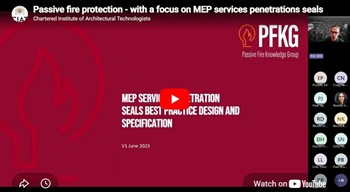
MEP services penetration seals.

Where its at podcast (and video) - The role of the Architectural Technologist as an Expert Witness.
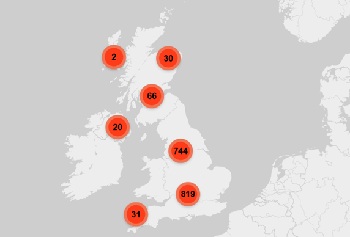
More than 200 remarkable buildings added to SAVE’s Buildings at Risk register.

Government scraps pre-application consultation for Nationally Significant Infrastructure Projects.
Historic England and infrastructure
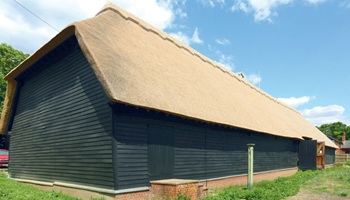
New projects offer opportunities for the historic environment and local communities.
Construction Management, 2 July

Construction deaths halve in two years.
Green Book changes to drive investment in all parts of UK.
Minimum energy efficiency standards (MEES)

CIAT briefing on response to consultations for privately rented non-domestic properties.
Connect, collaborate, shape the future

Registration now live for UK Construction Week Birmingham.

CIOB announces Saul Humphrey FCIOB as new President for 26/27 term.
A quick, simple, and zero-bills solution to prevent overheating.